
The Complete Guide to Your Car’s Brake System
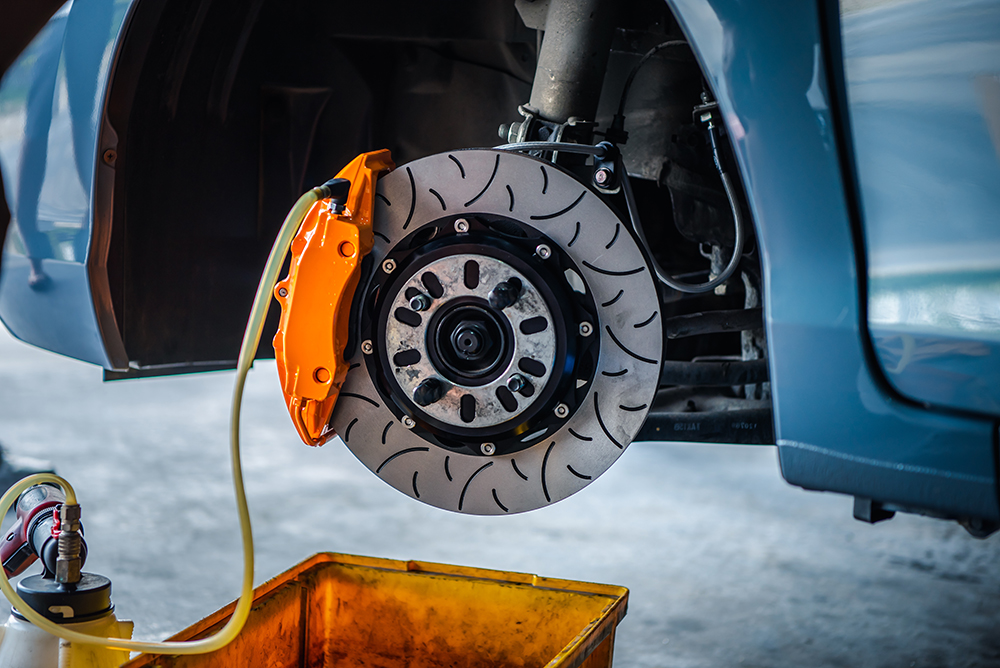
Your vehicle’s braking system is one of the most important safety features on the road. Every time you slow down, stop at a traffic light, or react to sudden traffic conditions, dozens of components work together to safely bring your vehicle to a halt.
Many drivers only think about their brakes when they hear a noise or notice reduced stopping power. However, understanding how the brake system works, and how different parts wear over time, can help prevent accidents, avoid costly repairs, and keep drivers safer across Washington, D.C., Maryland, and Northern Virginia.
Here at Metro Motor, brake inspections are one of the most common services we perform – because DMV driving conditions place constant stress on braking systems. Knowing what happens behind the scenes when you press the brake pedal helps drivers recognize problems early.
How do car brakes work?
Modern vehicles use a hydraulic braking system designed to convert foot pressure into powerful stopping force.
When a driver presses the brake pedal, mechanical force activates the master cylinder, which pushes brake fluid through pressurized lines toward each wheel. That hydraulic pressure causes brake pads to clamp against spinning rotors, creating friction that slows the wheels and ultimately stops the vehicle.
Although the process happens instantly, it relies on multiple components working in precise coordination. If any part of the system wears down or fails, braking performance can be reduced.
What are the major components of a vehicle brake system?
A braking system is made up of several interconnected parts. Each component plays a specific role in safe vehicle operation.
Brake Pedal & Booster
The brake pedal is the driver’s direct connection to the braking system. When pressed, it activates the brake booster, which amplifies the force applied by the driver’s foot. The brake booster uses vacuum pressure or electronic assistance to make braking easier and more responsive. Without it, stopping a vehicle would require significantly more physical effort.
Common issues:
- Hard brake pedal feel
- Increased stopping effort
- Reduced braking responsiveness
Booster problems can develop gradually, making routine inspections important.
Master Cylinder
The master cylinder is the heart of the hydraulic braking system. It converts pedal force into hydraulic pressure by pushing brake fluid through sealed chambers and into the brake lines. Because the master cylinder controls pressure distribution to all four wheels, failure can impact the entire braking system.
Potential damage:
- Internal seal wear
- Fluid leaks
- Loss of hydraulic pressure
Symptoms may include a sinking brake pedal or inconsistent braking response.
Brake Fluid & Brake Lines
Brake fluid transfers force throughout the system. Unlike engine fluids, brake fluid must remain free of air and moisture to function correctly. Over time, brake fluid absorbs moisture from the environment, which can reduce braking efficiency and contribute to corrosion inside brake lines.
Common problems:
- Contaminated brake fluid
- Leaking brake lines
- Air entering the hydraulic system
Routine fluid inspections help maintain proper stopping power and prevent long-term system damage.
Brake Calipers
Brake calipers house the brake pads and apply pressure to the rotors when hydraulic force reaches the wheels. They must move smoothly and evenly to ensure balanced braking. If a caliper sticks or fails, one wheel may brake harder than the others, affecting vehicle stability.
Signs of caliper issues:
- Vehicle pulling to one side
- Uneven brake pad wear
- Burning smell after driving
In heavy D.C. traffic, calipers experience frequent use, which increases wear over time.
Brake Pads
Brake pads are friction materials designed to press against the rotor and slow wheel rotation. Because they absorb heat and friction, brake pads are intentionally built to wear down and require periodic replacement. Urban driving environments like Washington, D.C. accelerate brake pad wear due to frequent stopping.
Typical wear symptoms:
- Squealing noises
- Reduced stopping performance
- Warning indicator sounds
Replacing worn pads early prevents damage to more expensive components.
Brake Rotors
Rotors are metal discs attached to each wheel. When brake pads clamp down on the rotors, friction converts motion into heat energy, slowing the vehicle. Heat is the rotor’s biggest enemy. Repeated hard braking can cause warping or uneven surfaces.
Common rotor damage:
- Warping from excessive heat
- Grooves or scoring
- Vibration during braking
Warped rotors often cause shaking in the steering wheel or brake pedal.
Anti-lock Braking System (ABS)
Modern vehicles include Anti-lock Braking Systems (ABS), which prevent wheels from locking during sudden stops. Sensors monitor wheel speed and rapidly adjust brake pressure to maintain traction and steering control. ABS systems are especially valuable during wet weather, emergency braking, or slippery road conditions common throughout the DMV region.
Possible concerns:
- ABS warning light illumination
- Sensor failures
- Reduced emergency braking stability
Professional diagnostics are required when ABS alerts appear.
DMV driving conditions take a toll on brake systems.
Driving in Washington, D.C., Maryland, and Northern Virginia places unique demands on braking systems. Stop-and-go traffic, tight city streets, parking garages, and unpredictable commuter patterns cause brakes to engage far more often than highway-only driving.
Frequent braking generates heat, and heat accelerates wear on pads, rotors, and fluid components. Potholes and uneven pavement can also affect suspension alignment, indirectly impacting braking performance. Because of these conditions, local drivers often require brake service sooner than national averages suggest.
What happens when brake components are neglected?
Brake problems rarely appear overnight. Instead, small issues gradually compound into larger safety concerns. Ignoring early warning signs can lead to: longer stopping distances; rotor damage requiring replacement; reduced vehicle control during emergencies; and increased likelihood of collisions or towing situations. Preventative inspections allow technicians to identify wear early, often reducing repair costs and improving long-term reliability.
At Metro Motor, brake inspections focus on evaluating the entire system rather than a single component. Technicians assess pad thickness, rotor condition, hydraulic pressure, fluid quality, and system responsiveness to ensure consistent stopping performance. Routine inspections help drivers:
- Maintain predictable braking response
- Prevent unexpected breakdowns
- Extend component lifespan
- Drive confidently in busy DMV traffic
Staying proactive with brake maintenance is one of the most effective ways to protect both your vehicle and everyone sharing the road. Our experienced technicians provide comprehensive brake inspections and repairs designed to keep Washington, D.C.-area drivers safe. If you notice unusual sounds, vibrations, warning lights, or changes in stopping performance, scheduling an inspection is a smart step toward safer driving.
Vehicle care information made available by Metro Motor is presented as helpful advice for general maintenance and should not be construed as instructions for at-home vehicle service. Be sure to consult your owner’s manual and a licensed, professional mechanic for diagnostics and repair.