
Do I Need Brake Pads, Rotors or Both?
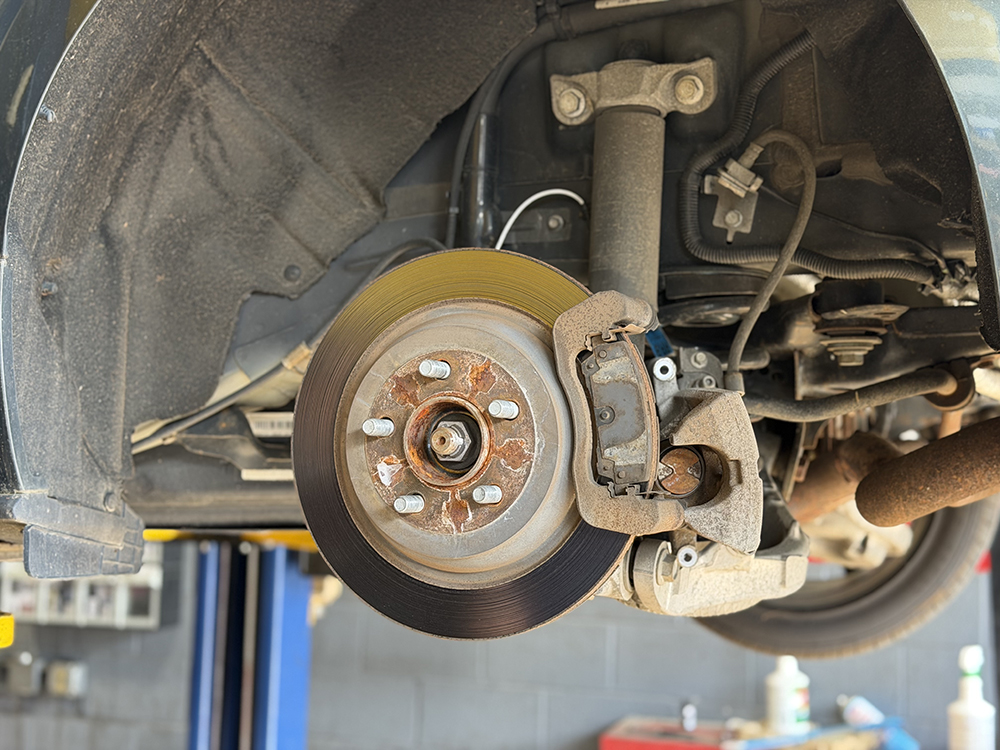
Brake service is one of the most common maintenance needs for drivers in Washington, D.C., yet it is also one of the most misunderstood. Many drivers hear they need “brakes” without fully understanding whether that means replacing brake pads, resurfacing rotors, or performing a more comprehensive repair. Because braking components wear at different rates and influence one another’s performance, determining what actually needs replacement requires understanding how the system functions as a whole.
In dense DMV traffic conditions, frequent stoplights, short commutes, congestion, and sudden braking, brake components experience higher stress compared to highway-driven vehicles. Knowing how to recognize wear patterns can help drivers make informed decisions, avoid unnecessary repairs, and maintain consistent stopping performance.
Brake pads and rotors work together as a single friction system designed to safely slow your vehicle.
Every time you press the brake pedal, hydraulic pressure pushes brake pads against spinning rotors attached to each wheel. The friction created between these two surfaces converts kinetic energy into heat, allowing the vehicle to slow and stop in a controlled manner.
Brake pads are designed to wear down gradually because they are the sacrificial component of the system. Rotors, on the other hand, are engineered to last longer but still experience heat stress, surface wear, and gradual thinning over time. Because both parts interact constantly, damage or wear in one component directly affects the other, which is why technicians evaluate them together rather than individually.
At Metro Motor, technicians assess braking performance as a complete system during inspections rather than recommending parts replacements based solely on mileage or assumptions.
Brake pads typically wear faster than rotors because they are designed to absorb most of the friction.
Brake pads contain specialized friction material that slowly wears away with each stop. Under normal driving conditions, pads often require replacement several times before rotors reach the end of their usable life. However, city driving in D.C. can shorten pad lifespan considerably due to repeated braking cycles and reduced cooling time between stops.
Signs Your Brake Pads Are Worn
Drivers may notice several early warning indicators as brake pads approach replacement:
- Squealing or squeaking noises during braking
- Increased stopping distance in traffic
- Brake dust accumulating on wheels
- Thinner pad material visible during inspection
These symptoms typically indicate routine wear rather than mechanical failure. Replacing pads at the appropriate time protects rotor surfaces and helps maintain smooth braking feel. Ignoring worn pads, however, allows the backing plate to contact the rotor surface, which accelerates damage and often changes a simple service into a more extensive repair.
Brake rotors wear differently and often reveal problems through vibration or uneven braking performance.
Rotors endure extreme heat cycles during everyday driving, particularly in urban environments where brakes are applied frequently. Over time, heat variation and friction can create uneven surfaces, thickness variation, or scoring across the rotor face.
Signs Your Rotors May Need Service
Rotor-related issues commonly present themselves through performance changes rather than noise alone:
- Steering wheel vibration when braking
- Pulsation felt through the brake pedal
- Shaking at highway speeds during deceleration
- Visible grooves or discoloration on rotor surfaces
These symptoms occur because brake pads can no longer make smooth, consistent contact with the rotor surface. Even if pads are new, worn rotors prevent uniform braking pressure, which reduces comfort and control. In many cases, rotors can no longer be resurfaced once they reach minimum thickness specifications, making replacement the safest option.
Some vehicles only need brake pads replaced, while others require both pads and rotors at the same time.
One of the most common questions drivers ask is whether replacing pads alone is enough. The answer depends on rotor condition rather than mileage alone. If rotors remain smooth, within thickness specifications, and free from heat damage, replacing pads alone may restore proper braking performance.
However, if rotors show warping, deep scoring, or uneven wear, installing new pads without addressing rotor condition can lead to rapid pad wear, vibration, and reduced stopping efficiency. Metro Motor auto technicians evaluate several factors before making recommendations:
Brakes & Rotors Evaluation Factors
- Remaining brake pad thickness
- Rotor thickness measurements
- Surface condition and heat spotting
- Brake vibration during road testing
- Overall braking response
During maintenance inspections at Metro Motor, wheels are removed so technicians can physically measure components rather than relying on visual estimates through the wheel spokes. This ensures drivers receive accurate recommendations based on actual wear conditions.
Driving habits and D.C. traffic patterns significantly influence whether pads or rotors wear faster.
Not all braking systems wear the same way. Drivers who frequently encounter stop-and-go commuting, rideshare driving, or downtown traffic often experience faster heat buildup in braking components. Repeated braking from moderate speeds generates more heat than steady highway driving, which accelerates rotor stress alongside pad wear.
Short trips common throughout neighborhoods like Capitol Hill, Dupont Circle, and Arlington also prevent brakes from fully cooling between stops. Over time, this thermal cycling contributes to rotor distortion and uneven wear patterns.
Because of these local driving conditions, DMV drivers sometimes require rotor replacement sooner than expected, even when following standard maintenance intervals.
A professional brake inspection is the most reliable way to determine exactly what your vehicle needs.
Determining whether pads, rotors, or both require service cannot be done accurately without a full inspection. Proper evaluation includes measuring component thickness, inspecting hardware, and assessing real-world braking performance during a test drive. At Metro Motor, brake inspections include:
- Road testing to evaluate braking behavior
- Wheel removal for full component visibility
- Measurement of pad and rotor thickness
- Inspection of calipers, hardware, and brake fluid condition
Brake inspections at Metro Motor are complimentary, allowing drivers to understand their vehicle’s condition without upfront diagnostic costs. Every visit also includes a complete preventative maintenance inspection (PMI), ensuring the braking system is routinely monitored even when vehicles come in for unrelated services.
This approach helps drivers separate normal maintenance from urgent repair needs while maintaining confidence in their vehicle’s safety.
Replacing brake components at the right time protects safety, performance, and long-term repair costs.
Waiting too long to service brake pads can damage rotors, while replacing pads on already worn rotors often leads to premature wear and repeated service visits. Addressing both components when necessary ensures even friction contact, smoother stops, and consistent braking response. Early service typically results in shorter stopping distances, reduced vibration and noise, longer component lifespan, and lower long-term repair costs. For drivers navigating unpredictable D.C. traffic, consistent braking performance is essential not only for comfort but also for maintaining control in sudden stopping situations.
Understanding the difference between brake pads and rotors helps drivers make confident maintenance decisions.
Brake recommendations should never feel confusing or unclear. Pads and rotors serve different purposes, wear differently, and require replacement based on measurable conditions rather than guesswork. When drivers understand how these components function together, it becomes easier to recognize warning signs and address issues before they affect safety.
When questions arise about braking performance, having a trusted local auto repair shop like Metro Motor evaluate the system provides clarity and reassurance. Professional inspections help ensure drivers replace only what is necessary while keeping their vehicle operating safely on D.C.’s demanding roads.
Vehicle care information made available by Metro Motor is presented as helpful advice for general maintenance and should not be construed as instructions for at-home vehicle service. Be sure to consult your owner’s manual and a licensed, professional mechanic for diagnostics and repair.