
Everything You Need to Know about Stopping-Distance Safety
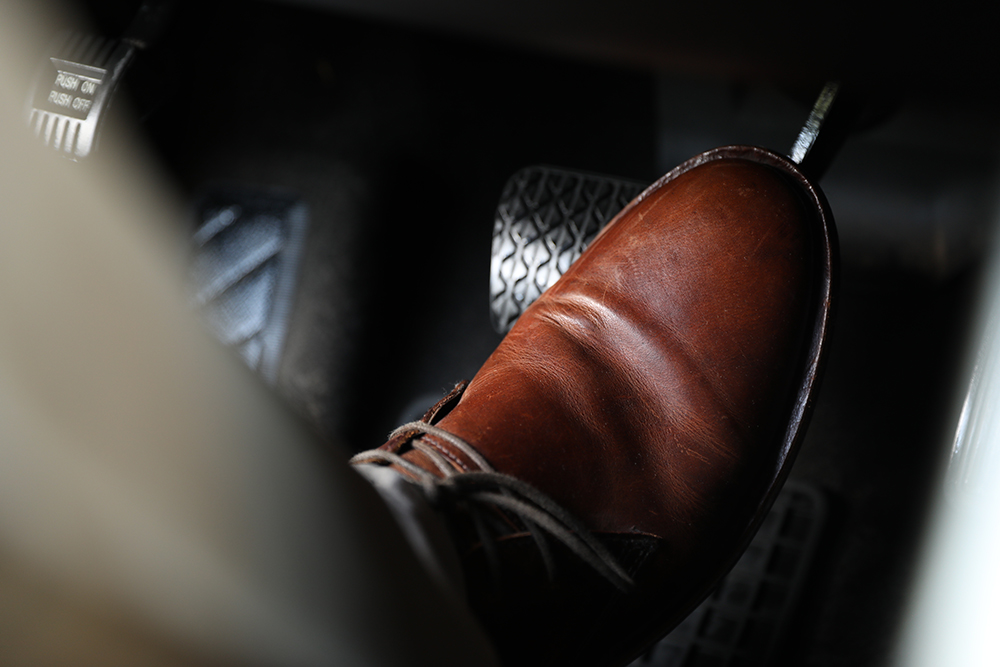
Most drivers assume that when they press the brake pedal, their vehicle will stop immediately. In reality, stopping a vehicle safely involves several factors working together – driver reaction time, road conditions, vehicle maintenance, and brake performance.
Understanding stopping distance is especially important for drivers in Washington, D.C., Maryland, and Northern Virginia, where heavy traffic, sudden stops, and unpredictable road conditions are part of everyday driving. We regularly see how reduced stopping distance awareness contributes to preventable accidents. Knowing how your vehicle responds can help you avoid collisions and keep everyone on the road safer.
What is stopping distance?
Stopping distance refers to the total distance a vehicle travels from the moment a driver recognizes a hazard to the moment the vehicle comes to a complete stop. It is made up of two main components: reaction distance and braking distance.
- Reaction distance is the space your vehicle travels while your brain processes a situation and your foot moves to the brake pedal. Even attentive drivers require about one to two seconds to react.
- Braking distance begins once the brakes are applied and continues until the vehicle fully stops. This portion depends heavily on vehicle speed, brake condition, tire traction, and roadway surface.
Together, these elements determine how quickly a driver can avoid a collision.
Stopping distance matters more in Washington, D.C. traffic.
Driving conditions across the DMV create constant stopping challenges. Congested roadways, pedestrian crossings, cyclists, ride-share vehicles, and sudden lane changes require drivers to brake frequently and sometimes unexpectedly. Urban driving environments also reduce the margin for error. Following too closely or driving with worn brakes significantly increases the risk of rear-end collisions, which are among the most common accidents in metropolitan areas.
Parking garages, narrow city streets, and heavy commuter routes like I-495, I-66, and downtown corridors demand reliable braking performance. Maintaining proper stopping distance becomes essential not only for safety but also for avoiding costly repairs or insurance claims.
Speed dramatically increases stopping distance.
Many drivers underestimate how much speed affects stopping ability. Stopping distance does not increase evenly with speed, it grows exponentially. At higher speeds:
- Reaction distance increases because the vehicle travels farther before braking begins.
- Braking distance lengthens due to greater momentum and heat generated in the braking system.
- Tire grip becomes more critical for maintaining control.
For example, doubling your speed can require significantly more than double the stopping distance. This is why maintaining safe following distance on highways and major commuter roads throughout Northern Virginia and D.C. is critical.
Road and weather conditions affect braking performance, too.
Stopping distance changes constantly depending on environmental conditions. Even well-maintained vehicles require additional space to stop safely when traction is reduced. Common DMV driving factors include:
Wet Pavement & Sudden Rainstorms
Rain reduces tire grip and increases the likelihood of hydroplaning, especially during the first rainfall after dry periods when oil residue rises to the surface.
Winter Weather & Cold Temperatures
Snow, ice, and freezing conditions dramatically extend stopping distance. Gentle braking and increased following distance become essential during winter driving.
Potholes & Uneven Road Surfaces
Frequent potholes across the D.C. region can impact suspension alignment and brake component wear, reducing stability during emergency braking situations.
Vehicle maintenance plays a major role in stopping distance.
Even attentive drivers cannot compensate for worn vehicle components. Brake system health and tire condition directly influence how quickly a vehicle can stop. At Metro Motor, we often remind drivers that stopping distance safety begins with routine maintenance. Key factors include:
- Brake Pad & Rotor Condition | Worn brake pads reduce friction, forcing the vehicle to travel farther before stopping. Damaged rotors can also cause vibration and inconsistent braking performance.
- Tire Tread Depth & Inflation | Tires provide the traction needed for effective braking. Low tread depth or improper tire pressure reduces grip, particularly on wet or uneven roads.
- Brake Fluid Performance | Brake fluid transfers hydraulic force through the braking system. Contaminated or aging fluid can reduce responsiveness and increase stopping distance.
Regular inspections ensure all systems work together to deliver reliable braking when it matters most. Are your brakes in need of some love? Metro Motor’s ASE-certified technicians handle brake repair, rotations, and replacements across the D.C. area.
How can drivers improve stopping-distance safety?
Safe stopping habits are one of the simplest ways to reduce accident risk. Drivers can improve safety by:
- Maintaining at least a three-second following distance in traffic
- Increasing distance during rain, snow, or heavy congestion
- Avoiding sudden acceleration followed by hard braking
- Scheduling routine brake inspections and tire checks
- Remaining alert to changing traffic patterns
Small driving adjustments combined with proper vehicle maintenance significantly reduce the likelihood of collisions.
Proactive brake inspections help prevent accidents.
Many stopping distance problems develop gradually, which means drivers may not notice reduced performance until an emergency occurs. Preventative inspections help identify wear before braking effectiveness declines. If you're not sure what condition your brakes are in, Metro Motor technicians can perform comprehensive brake evaluations designed to keep you confident behind the wheel. By addressing minor concerns early, drivers often avoid larger repairs and maintain consistent stopping power across all driving conditions. If you notice changes in braking performance or simply want peace of mind, a professional brake inspection is one of the smartest safety steps you can take.
Vehicle care information made available by Metro Motor is presented as helpful advice for general maintenance and should not be construed as instructions for at-home vehicle service. Be sure to consult your owner’s manual and a licensed, professional mechanic for diagnostics and repair.