
Summer Heat Is More Damaging to Your Car Than You Think
Most drivers in Washington, D.C., prepare their vehicles for winter hazards like snow, ice, and freezing temperatures. What many don’t realize is that summer heat often causes more long-term vehicle damage than winter weather and the effects are usually gradual, hidden, and expensive if ignored.
High temperatures stress nearly every system in your vehicle. Engines run hotter, batteries degrade faster, tires become more vulnerable, and cooling systems work overtime just to maintain safe operating temperatures. Combined with heavy traffic across D.C. and the DMV region, summer driving conditions can quietly accelerate wear even on well-maintained vehicles.
Understanding how heat impacts your car can help you prevent breakdowns before they happen, especially during peak travel months.
Extreme summer temperatures place continuous stress on modern vehicles.
Unlike winter issues that appear suddenly, heat damage builds slowly over time. When outside temperatures reach the 80s and 90s, the temperature under your hood can easily exceed 200°F. Add humidity, stop-and-go commuting, and constant air conditioning use, and your vehicle operates under sustained thermal pressure.
Urban driving amplifies these effects because vehicles spend more time idling than moving at highway speeds. Reduced airflow limits cooling efficiency, forcing components to work harder just to stay within safe ranges. Heat commonly accelerates:
- Fluid breakdown and evaporation
- Rubber hose and belt deterioration
- Increased engine operating temperatures
- Electrical system strain
- Tire pressure instability
Technicians at Metro Motor regularly see summer-related issues that began months earlier but went unnoticed until warning lights or drivability problems appeared. Preventative awareness is often the difference between routine maintenance and roadside emergencies.
Overheating becomes far more likely during hot-weather driving conditions.
Your engine naturally produces intense heat during combustion. The cooling system, made up of coolant, radiator, fans, hoses, and pumps, is responsible for keeping temperatures controlled. During D.C. summers, several factors increase overheating risk:
- Heavy traffic congestion
- Long idle times
- High A/C usage
- Aging cooling system components
- Low or degraded coolant
When cooling efficiency drops even slightly, temperatures can climb quickly. Overheating isn’t just inconvenient, it can lead to warped engine components, blown head gaskets, or catastrophic engine failure. Drivers should watch for warning signs such as:
- Temperature gauge rising above normal
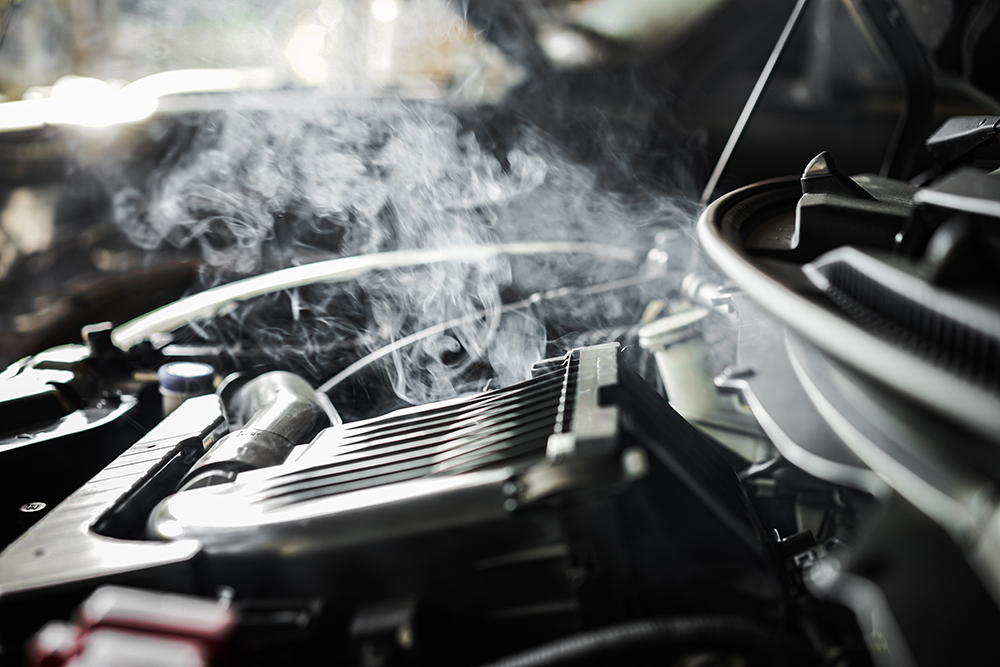
- Steam or smoke from under the hood
- Sweet or burning odors
- Sudden loss of engine power
If overheating occurs, safely pulling over and shutting off the engine immediately can prevent severe damage. Routine inspections at Metro Motor often identify small cooling system issues, like minor leaks or weakened hoses, before they escalate into expensive summer breakdowns.
Coolant plays a critical role in protecting your engine during summer months.
Many drivers associate coolant (antifreeze) only with winter protection, but its primary job is actually heat regulation. Coolant works by absorbing engine heat and transferring it through the radiator, preventing temperatures from exceeding safe limits. Over time, coolant chemically breaks down and loses effectiveness, even if levels appear normal. Old coolant can:
- Reduce heat transfer efficiency
- Cause internal corrosion
- Damage water pump components
- Increase overheating risk
In dense metropolitan areas like Washington, D.C., vehicles frequently operate in conditions closer to “severe duty” driving because of traffic patterns and shorter trips. A proper cooling system service typically includes:
- Checking coolant condition and concentration
- Inspecting radiator performance
- Testing fans and thermostats
- Examining hoses for cracking or swelling
Regular cooling system checks are one of the most effective ways to prevent summer engine problems.
High temperatures shorten battery life faster than cold weather.
Many drivers blame winter for battery failure, but heat is often the real cause. Summer temperatures accelerate chemical reactions inside a car battery, causing internal fluid evaporation and permanent degradation. The damage may not appear immediately, instead, the battery fails months later when colder weather arrives. Heat-stressed batteries commonly show slow engine cranking, intermittent electrical issues, dashboard warning lights, and corroded terminals.
D.C. drivers are particularly vulnerable because short trips, traffic congestion, and heavy A/C demand place constant strain on charging systems. Here at Metro Motor, we recommend routine maintenance to help identify weakening batteries before unexpected failure leaves drivers stranded in traffic or extreme heat.
Tire pressure increases in heat and raises the risk of dangerous blowouts.
Tires are highly sensitive to temperature changes. As air heats up, it expands, increasing internal tire pressure. For every 10°F temperature increase, tire pressure can rise roughly 1–2 PSI. Combined with worn tread, pothole impacts, or improper inflation, this dramatically increases the risk of tire failure. What is more, hot pavement across the DMV region can exceed 130°F, intensifying stress on tire rubber and internal structure. Drivers should pay close attention to:
- Uneven tread wear
- Under-inflated tires
- Cracks or bulges in sidewalls
- Vibrations at highway speeds
Simple habits like monthly pressure checks and routine tire inspections significantly reduce blowout risk during summer travel.
D.C. driving conditions amplify the effects of summer heat on your car.
City environments create harsher operating conditions than many drivers expect. Even short commutes can place heavy stress on vehicles due to:
- Stop-and-go traffic patterns
- Limited airflow while idling
- Frequent braking cycles
- Heat radiating from asphalt and surrounding vehicles
- High humidity levels
These factors mean vehicles in Washington, D.C., often experience accelerated wear compared to cars driven primarily on open highways. Because of this, local drivers frequently benefit from seasonal inspections rather than waiting for warning signs to appear.
Preventative maintenance helps drivers avoid the most common summer breakdowns.
Preventative care remains the most reliable way to protect a vehicle from heat-related damage. Recommended summer maintenance habits include:
- Checking coolant levels before heat waves
- Testing battery health annually
- Monitoring tire pressure regularly
- Watching engine temperature gauges in traffic
- Scheduling seasonal vehicle inspections
Many D.C. drivers choose to schedule pre-summer inspections at Metro Motor to catch early warning signs, from weakened batteries to aging cooling components, before peak travel season begins. Winter conditions may feel harsher, but prolonged heat exposure quietly causes some of the most expensive automotive problems drivers face. Cooling systems, batteries, tires, and fluids all degrade faster under sustained high temperatures, especially in urban environments like Washington, D.C.
By understanding how summer heat impacts your vehicle and addressing small issues early, drivers can reduce breakdown risk, improve safety, and extend the life of their cars throughout the hottest months of the year.
Vehicle care information made available by Metro Motor is presented as helpful advice for general maintenance and should not be construed as instructions for at-home vehicle service. Be sure to consult your owner’s manual and a licensed, professional mechanic for diagnostics and repair.