
Brake Inspections & Warning Signs Every D.C. Driver Should Know
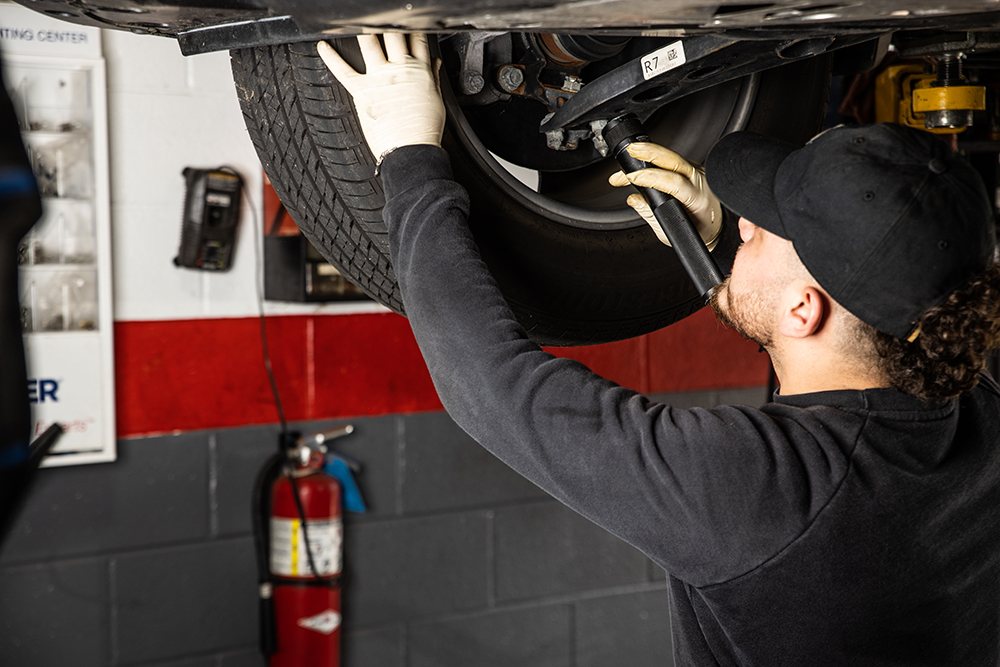
Your vehicle’s braking system is one of its most important safety features, yet brake problems often develop gradually and go unnoticed until performance is affected. In busy driving environments like Washington, D.C., Maryland, and Northern Virginia, where stop-and-go traffic, sudden braking, and crowded streets are part of daily life, brakes experience significantly more wear than vehicles driven primarily on open highways. These conditions make routine brake inspections especially important for local drivers. Understanding when your brakes need attention helps protect both you and everyone sharing the road.
Regular brake inspections are essential for DMV drivers.
Driving conditions throughout the D.C. region place unique demands on braking systems. Frequent congestion, short trips, traffic signals, and urban commuting patterns require constant braking, which generates heat and friction that gradually wear down components.
Regular brake inspections allow technicians to identify problems early, often before drivers notice changes in stopping performance. Preventative maintenance not only improves safety but can also reduce long-term repair costs by addressing wear before it affects additional parts of the braking system.
A professional brake inspection typically evaluates brake pad thickness, rotor condition, brake fluid health, caliper operation, and overall braking performance. At Metro Motor, these inspections help drivers stay ahead of potential issues and maintain confidence behind the wheel.
Pay attention to the common warning signs that your brakes may need service.
Brake systems usually provide clear warning signals before failure occurs. Paying attention to these changes can prevent dangerous driving conditions and unexpected breakdowns.
- Squealing or Grinding Noises While Braking | High-pitched squealing often indicates brake pads are approaching the end of their lifespan. Grinding sounds are more serious and may suggest the pads have worn down completely, allowing metal components to contact the rotor surface. Continuing to drive under these conditions can quickly lead to rotor damage and more extensive repairs.
- Vibrations or Shaking When Stopping | If the steering wheel or brake pedal vibrates during braking, it may indicate uneven rotor wear or heat-related warping. These issues reduce braking efficiency and can worsen over time if left unaddressed. Drivers frequently notice this symptom during highway exits or sudden stops in traffic.
- Increased Stopping Distance | When a vehicle takes longer to come to a complete stop, worn pads, compromised brake fluid, or hydraulic issues may be present. In the unpredictable traffic patterns of Washington, D.C., reduced stopping responsiveness significantly increases accident risk and should be inspected promptly.
- Brake Warning Lights on the Dashboard | Modern vehicles use electronic monitoring systems to detect braking irregularities. A brake warning light should always be taken seriously, even if the vehicle still appears to drive normally. Early diagnostics often prevent more complicated repairs later.
- Burning Smells After Heavy Braking | A sharp or burning odor after braking may indicate overheated components, particularly during heavy traffic or prolonged braking situations. Excess heat can damage pads and rotors, making professional inspection important before continuing regular driving.
We encourage drivers to schedule inspections as soon as unusual sounds, smells, or performance changes appear – rather than waiting for symptoms to worsen.
D.C. driving conditions accelerate brake wear.
Many drivers in the DMV area are surprised to learn their brakes wear out faster than national averages. Urban driving introduces repeated stress that gradually shortens component lifespan.
Stop-and-go commuter traffic along major routes such as Rock Creek Parkway, I-495, and densely populated city streets requires constant braking and acceleration. In addition, tight parking garages and parallel parking situations demand precise low-speed braking, adding additional friction wear over time.
Seasonal weather changes also play a role. Rain, humidity, road salt, and summer heat all impact brake components and fluid performance. Because local driving conditions combine multiple wear factors, regular inspections are especially beneficial for drivers commuting daily through Washington, D.C. and surrounding areas.
What happens during a professional brake inspection?
A comprehensive brake inspection involves much more than visually checking brake pads. Modern braking systems rely on mechanical, hydraulic, and electronic components working together to ensure reliable stopping power.
At Metro Motor, technicians begin by measuring brake pad thickness and inspecting rotor surfaces for scoring, cracking, or overheating damage. Brake fluid is tested to ensure it has not absorbed excessive moisture, which can reduce hydraulic effectiveness and lead to internal corrosion.
Calipers, hardware, and mounting components are also inspected to confirm even pressure distribution during braking. When necessary, technicians may perform controlled road testing to evaluate vibration, braking feel, or unusual noises. This detailed process ensures that both safety and performance standards are met before a vehicle returns to daily driving.
Safety first: brake issues may require towing to the auto repair shop instead of driving.
While many brake concerns can be addressed during scheduled maintenance, certain warning signs indicate that driving the vehicle may no longer be safe. Severe grinding sounds, sudden loss of braking power, fluid leaks, or a brake pedal that feels soft or sinks toward the floor can signal critical system failure.
In these situations, towing is often the safest choice to prevent accidents or additional mechanical damage. The Metro Motor towing team regularly assists drivers throughout Washington, D.C., Maryland, and Northern Virginia when brake problems make continued driving unsafe. Prompt towing allows technicians to diagnose issues properly while protecting both the vehicle and driver.
How often should brakes be inspected?
Brake lifespan varies based on vehicle type, driving habits, and road conditions, but most drivers benefit from a professional inspection at least once per year or every 10,000 to 15,000 miles.
Drivers navigating heavy traffic in the D.C. region may require inspections more frequently due to increased braking demands. Scheduling inspections before long trips, seasonal weather changes, or periods of increased driving helps ensure consistent braking performance and reduces the likelihood of unexpected repairs.
At Metro Motor, preventative maintenance is focused on identifying small concerns early, helping drivers avoid emergency situations while extending the life of their braking system. Whether you notice early warning signs or simply want peace of mind before your next drive, our team is committed to helping drivers throughout the DMV stay confident behind the wheel.
Vehicle care information made available by Metro Motor is presented as helpful advice for general maintenance and should not be construed as instructions for at-home vehicle service. Be sure to consult your owner’s manual and a licensed, professional mechanic for diagnostics and repair.