
Receive an expensive collision repair quote? Don’t take the other guy's word for it. Get a free second opinion from Metro Motor.
Driving in D.C.: Parking Garage & Tight Street Damage Explained
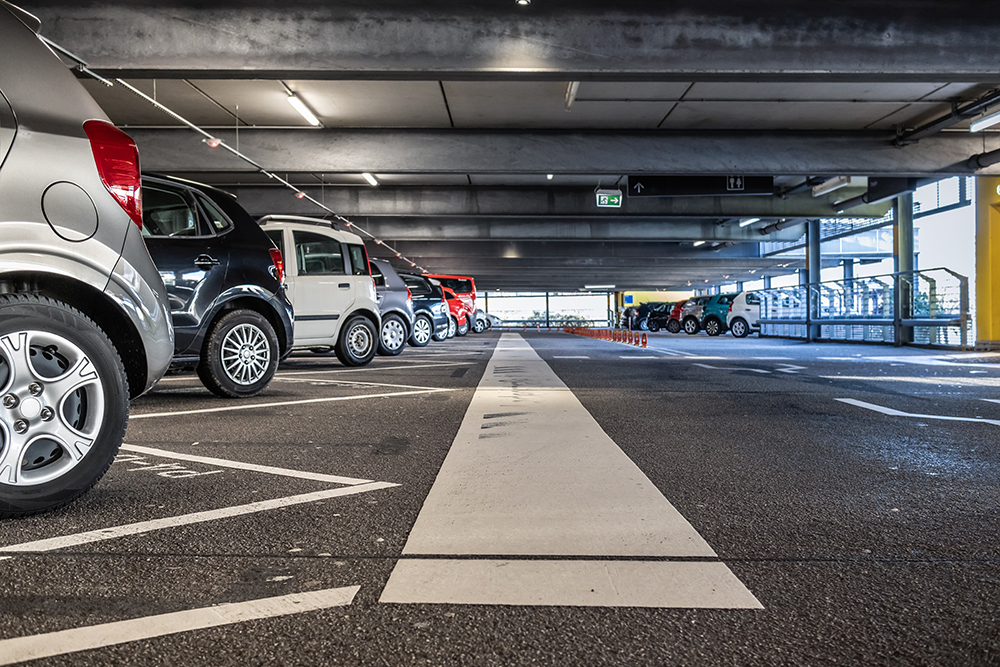
Driving in Washington, D.C. presents challenges that many drivers do not experience elsewhere. Historic streets, limited parking, narrow alleys, underground garages, and heavy traffic congestion all increase the likelihood of minor vehicle damage, even for careful drivers.
Metro Motor frequently helps drivers across the DMV repair damage caused not by major accidents, but by everyday city driving conditions. Sound like someone you know? Request a free and easy estimate with Metro Motor Collision.
Understanding how and why this damage happens can help drivers prevent costly repairs and know when professional collision repair is necessary.
Driving in D.C. increases vehicle damage risk.
Washington, D.C. was largely designed before modern vehicle sizes existed. Today’s SUVs, trucks, and crossovers often navigate infrastructure built for much smaller cars. Several factors contribute to higher rates of cosmetic and structural damage.
Many D.C. neighborhoods feature tight two-way streets with vehicles parked along both sides. Drivers frequently encounter limited clearance when passing opposing traffic in these narrow residential streets, leading to:
- Mirror strikes
- Side panel scrapes
- Wheel and rim damage
Even experienced drivers can misjudge spacing when traffic pressure is high. What's more, intersections can have reduced visibility because of poorly-maintained landscaping, idling delivery vehicles, and parked cars blocking sight-lines. Low-speed impacts commonly occur when turning or pulling into traffic.
If you've ever tried to parallel park in D.C., you know that squeezing into that last remaining spot can be tricky business. Parallel parking in busy areas increases the likelihood of bumper scuffs, dents, and paint transfer from neighboring vehicles. These incidents may seem minor but can still affect vehicle value and long-term condition.
Parking garages contribute to common vehicle damage.
Parking garages throughout D.C. present unique risks that many drivers underestimate. Older garages were not built for modern vehicle widths. Drivers often need to make sharp turns while navigating support columns and low-clearance walls. Common damage includes:
- Scraped bumpers
- Quarter panel dents
- Wheel and tire contact with concrete barriers
Low ceiling clearances are another hazard. Roof racks, cargo carriers, and taller vehicles may strike overhead signage or structural elements if clearance signs are overlooked. What's more, dim lighting conditions can make depth perception difficult, especially when reversing or maneuvering into tight spaces.
Here at Metro Motor, many collision repairs originate from garage-related incidents rather than roadway accidents.
Don't ignore minor damage.
City driving damage is often dismissed as cosmetic, but small impacts can hide larger issues. Modern vehicles contain sensors, cameras, and safety systems located behind bumpers and body panels. A light impact may affect:
- Parking sensors
- Backup cameras
- Blind-spot monitoring systems
- Structural mounting points
At Metro Motor Collision, our technicians inspect damage thoroughly to identify hidden concerns that may not be visible immediately after an incident.
Even small scratches and minor paint loss can lead to corrosion, paint failure, or malfunctioning safety features over time.
Turn to professional collision repair to restore your vehicle properly.
Collision repair today goes far beyond paint touch-ups. Proper restoration ensures both appearance and safety systems return to manufacturer standards. Metro Motor’s manufacturer- and I-CAR-certified technicians provide comprehensive auto body repair services designed for modern vehicles.
Paint repair and refinishing restores factory appearance.
Urban scrapes and scratches often expose underlying materials to moisture and road debris. Precision paint repair protects the vehicle while restoring its original finish.
Dent and body repair corrects structural alignment.
Even low-speed impacts can slightly shift body panels. Professional repair ensures proper fitment, door alignment, and long-term durability.
Glass repair and replacement maintains visibility and safety.
Garage incidents frequently damage mirrors or windshields. Our technicians repair or replace damaged glass to restore safe driving conditions.
ADAS calibration protects advanced safety technology.
Many newer vehicles require advanced driver assistance system calibration after body repairs. Proper calibration ensures sensors and cameras function exactly as designed. Safety system accuracy is a critical part of modern collision repair.
Get a second opinion.

Towing may be safer than driving after garage or street damage.
Drivers often assume towing is only necessary after major accidents, but certain city-driving incidents make towing the safer option. You should consider towing if:
- A wheel or suspension component is damaged
- Warning lights appear after impact
- The vehicle pulls to one side while driving
- Fluids are leaking
- Steering feels abnormal
Metro Motor’s towing team regularly assists drivers throughout D.C. who experience garage or curb-related damage and want to avoid causing additional problems by driving further.
Here's how to reduce damage risk while driving in D.C.
While urban driving always carries some risk, small adjustments can significantly reduce the chances of vehicle damage.
- Slow down in garages. Taking turns slowly provides more reaction time and improves spatial awareness.
- Use mirrors and cameras intentionally. Modern camera systems are helpful, but drivers should still check mirrors and surroundings carefully.
- Fold mirrors in tight spaces. Many side-impact repairs occur when mirrors extend into narrow lanes or garages.
- Choose parking spaces strategically. End spaces, wider levels, or areas farther from entrances often provide additional room for maneuvering.
But if an accident does happen, rest assured that Metro Motor is here for you. We help drivers every day who experience parking garage impacts, tight street scrapes, and low-speed urban collisions. With collision repair centers located in Vienna, Virginia, and the Brentwood neighborhood of Washington, D.C., our team provides comprehensive repair solutions supported by experienced technicians, advanced equipment, and customer-focused service.
From towing coordination to complete auto body restoration and ADAS calibration, our goal is simple: get your car rolling again safely and confidently.
Vehicle care information made available by Metro Motor is presented as helpful advice for general maintenance and should not be construed as instructions for at-home vehicle service. Be sure to consult your owner’s manual and a licensed, professional mechanic for diagnostics and repair.